Autumn Awakens: Discover September’s Wildlife
As we change season and embrace the autumn months, it’s also a time to appreciate the nature and wildlife that returns. Much needed and anticipated rain has brought some beautiful shades of green back to our parks, before we expect the autumn hues to grace our green spaces.
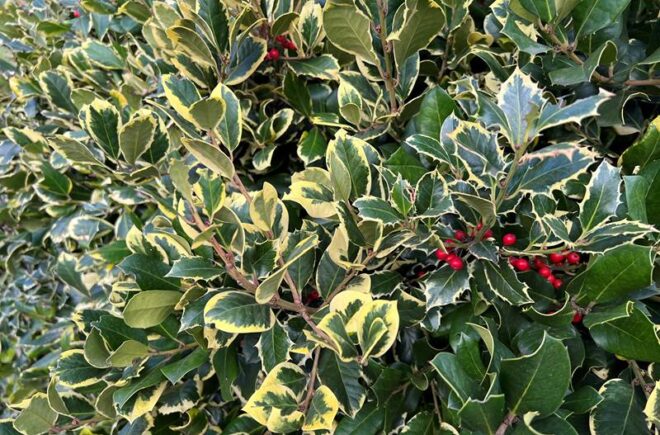
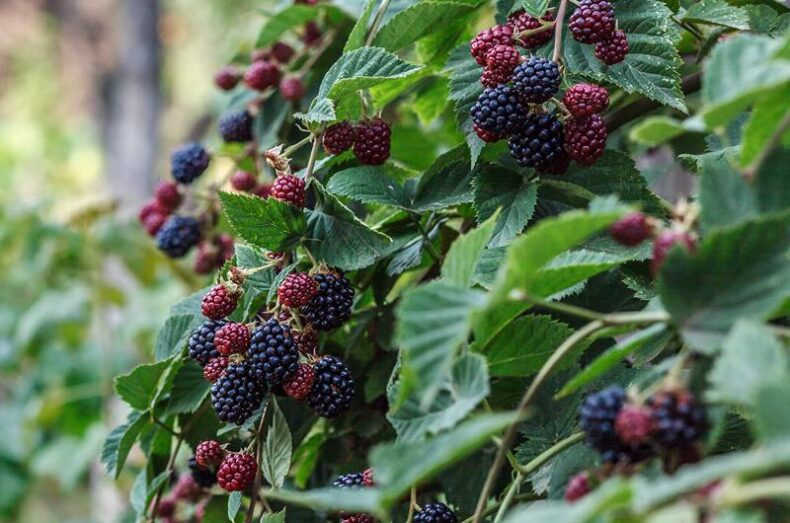
Hedges will now be adorning some new colours also. Blackberries, elderberries and rosehips multiply at this time of year and these bushes mean more to our local ecosystem than you might first expect. Not only do they show that these plants are thriving when they fruit, they provide essential nutrition to a range of local wildlife.
Garden birds will be feasting on these berries and on the insects that the fruits attract. Mammals will be thinking ahead and foraging food for hibernation and the colder months so hedgehogs, squirrels and foxes will also be visiting this hedgerow buffet. This is why we should consider how we garden our own green spaces, as thick bushes and hedges can be essential for nature to thrive right on our doorstep. A bramble bush left alone to grow, and fruit could mean all the difference to a blackbird, a hedgehog or a visiting winter bird.
Migration is a yearly natural wonder. Birds flock to and from the United Kingdom in search of a warmer climate, some leave for Mediterranean weather, and some arrive after escaping possibly harsh winters. Pink-footed geese and Canadian geese are two species that are easy to spot on our waterways and also are magnificent to see flying in formation. If you don’t spot the classic flying-v shape then you will be sure to recognise their iconic honk as they communicate as they fly. This communication in loud honk-like sounds ensures they have cohesion within the flock. Be mindful of birds that might look out of place as they often rest whilst on their migration journey so admire from afar!
If you’re looking at the skies keeping an eye on the migrating birds, you might also spot a red kite! Small mammals and birds will be busy foraging during the day, making it a prime hunting period for birds of prey.
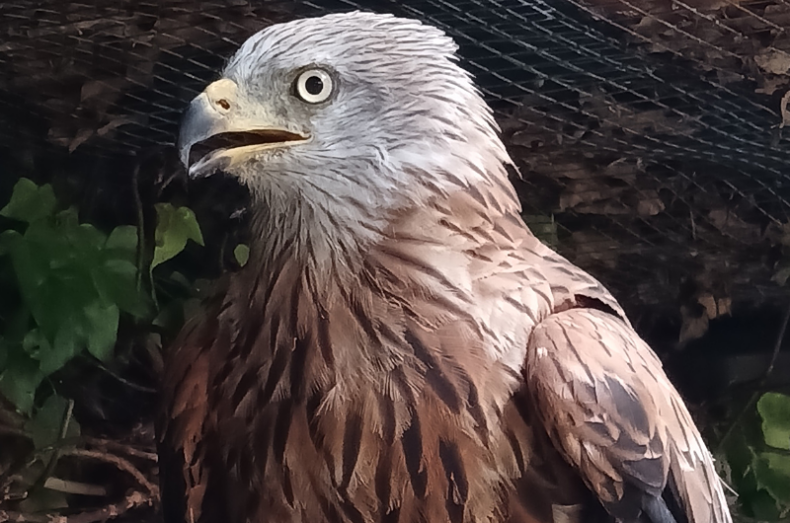
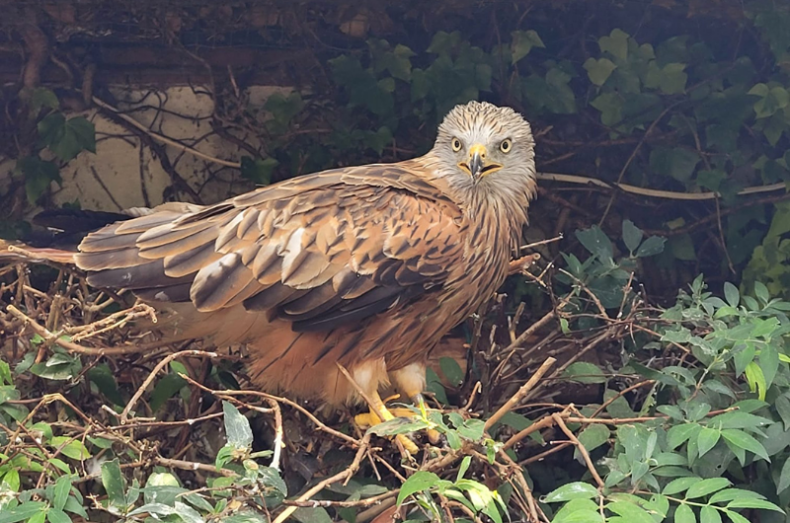
Red kites are a stunning bird to spot, look out for their reddish-brown upperparts and black streaked wings which are long and broad. Their yellow bill with a dark tip and deep, amber eyes might be harder to spot from down on the ground but all these features make them a true sight to behold.
Owls and Birds of Prey Rescue Essex and Suffolk recently shared their latest red kite success story (images above courtesy of the rescue centre), as they released a rehabilitated kite called Halstead. This beautiful bird had been found near a busy road and was in need of some care from the team. After time in their aviary, with plenty of care and attention, Halstead was showing signs of being ready for release. This is only one story of many that the rescue centre have been kind enough to share, so check out their website to read an array of blogs that show the positive change and immeasurable difference they are making for our local wildlife.
If you are inspired by teams like this, then consider the difference you can make this September. It could still be a dry and warm month, so leaving out a shallow water dish is a small change that could really help. Leaving small pebbles on the edge will ensure you cater for insects too!
Any September wildlife spots or snaps are always appreciated, as we love to see what you have seen right on your doorstep.
Article by: Issy Lyons (Marketing Officer, Events and Corporate)