October Wildlife Watch
Don’t let it be said that autumn doesn’t bring as much colour and variation to our natural world as summer. All around us in October, browns, reds, oranges and yellows will be brightening our parks and green spaces, as we go through this transitional month. Trees are changing, some of which will be bearing fruit before shedding their leaves, whilst other plants return to their roots and await the warmer months.
One such fruit you see coming to life is the apple. Domestic apple trees can be found in gardens and orchards, one such orchard being at Saltcoats Park in South Woodham Ferrers. We’ve been thrilled to see this area develop and hope that from now it becomes a community area where young people and visitors can pick apples, take in the surrounding green space and even visit the Community Library book box there. Any apples not eaten or picked will be appreciated by the rest of our local ecosystem as fermenting fruit juices provide nutrients for insects, birds and small mammals. So don’t worry if you see apples on the floor this autumn as they will be a buffet of goodness for a creature nearby.
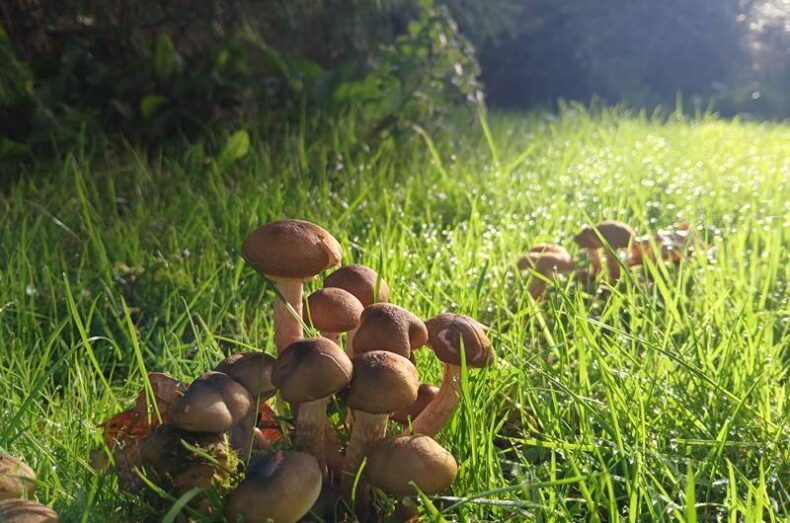
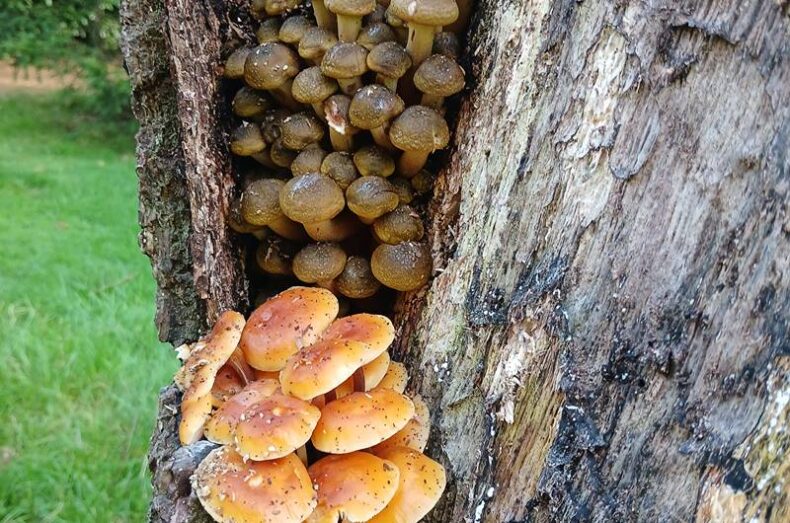
Autumn is a time where fungi thrive! Hidden away in dark, damp patches or alongside footpaths, they are a sure sign that October is here. There’s much more than meets the eye with these fungi however, as much of this organism lives underground, in the soil. This is often referred to as the ‘wood wide web’ where tree roots, plant roots and fungal roots all combine and intertwine to create an essential system. This system enables the sharing of water and nutrients meaning that they support each other in a fascinating, underground community! Some variations seem very appropriate for this time of year, as if they’d blend in well with Halloween decorations.
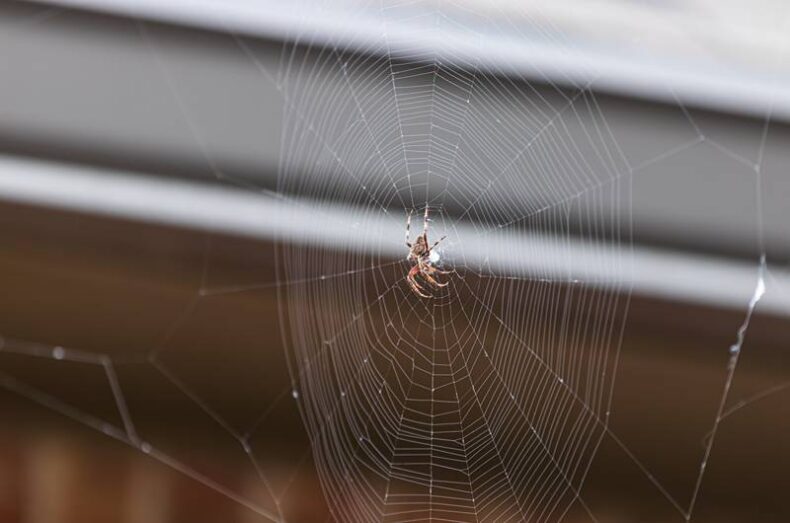
October brings Halloween and with it one of the most talked about insects at this time of year…the spider. As much fun as fake spiders and cobwebs are for your Halloween celebrations, we want to take a moment to appreciate these eight-legged explorers.
Spiders live amongst us all year round and are an important part of our ecosystem. They feed on an astonishing number of insects, many of which are considered pests that eat crops and garden plants. If they make their way inside the home, they can also protect you from their dark corners, catching flies and mosquitoes in their elaborate webs. Take a moment to stop and admire the work of the spider when you spot a dew-covered spiders web as their intricate work is fascinating up close.
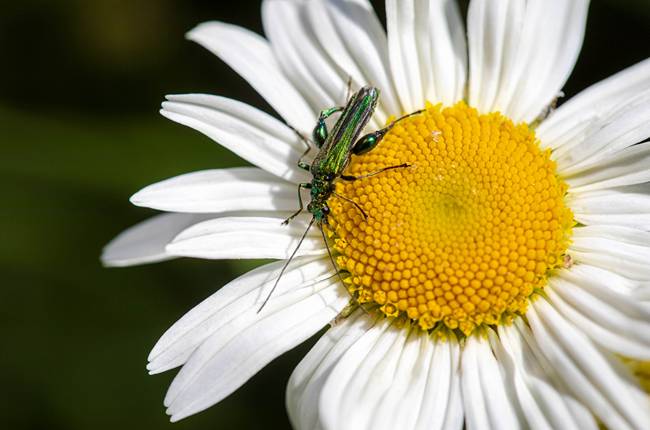
Sometimes it’s the insects we don’t see in autumn that need a moment of thought, as there are actions we can take now that will benefit them come warmer months.
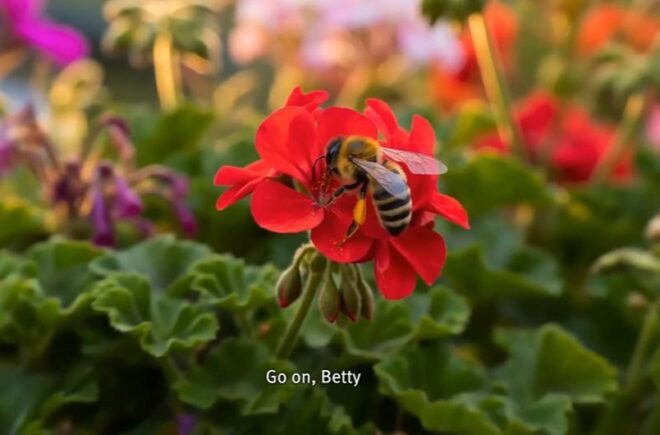
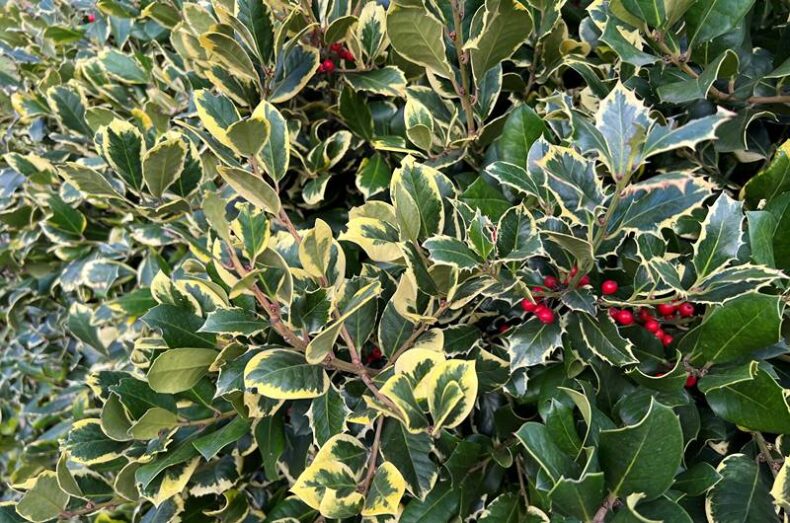
Butterflies such as Red Admirals may still be visible on warmer autumn days, however they will begin their over wintering process very soon. Autumn has brought with it some interesting butterfly data, as the ‘Big Butterfly Count’ that took place over summer has been condensed and brings important updates about these winged creatures. The positive news was that more species had above average counts than below average, with Painted Lady, Holly Blue and Gatekeeper being species that had extremely successful count rates! Increasing worry regarding hot summers and climate change has resulted in The Butterfly Conservation asking people to consider the journey of the butterfly and how important certain plants and flowers are for the caterpillars. With many plants experiencing wilting this summer, it’s important to consider which ‘drought-proof’ species will benefit our local insect populations, including butterflies. Holly, Ivy and Blackthorn are widely available, low-maintenance and will support your garden favourites like Red Admirals and the Holly Blue. Early autumn is a great time to consider planting shrubs before the winter soil sets in, so why not plant for pollinators this autumn.
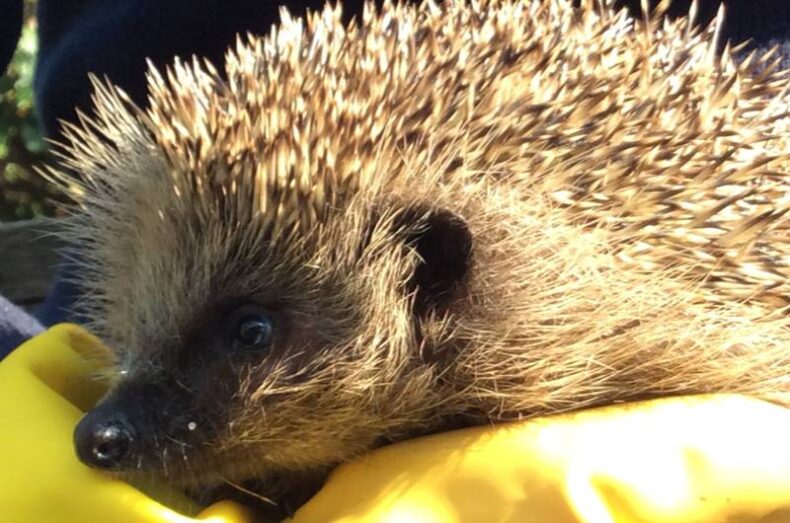
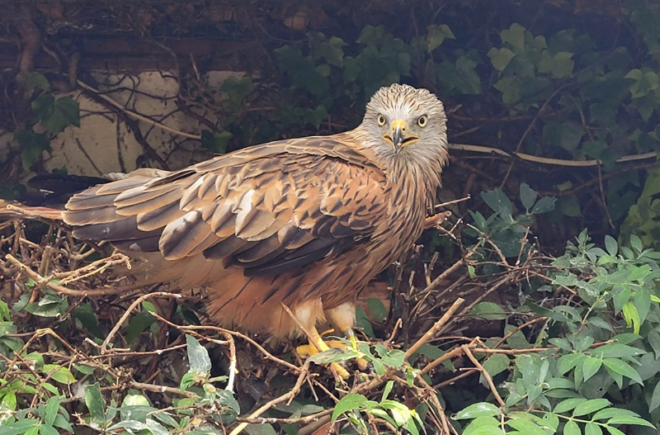
If you’re in the garden pottering away or getting ahead with planting, be mindful that some birds or mammals such as hedgehogs may be sheltering in leaf piles or overgrown shrubs as they’re great spots for taking refuge and feeding. A quick check before removing these areas or tidying piles could avoid aggravating or causing stress for these creatures.
Any October nature snaps are appreciated, as we love to see what you have spotted right on your doorstep.
Article by: Issy Lyons (Marketing Officer, Events and Corporate)