During July, our parks, green spaces and wildlife are in abundance with vibrancy all around. Colours brighten meadow areas; an array of insects fly around us and mammals venture out in the warmer evenings for us to marvel upon.
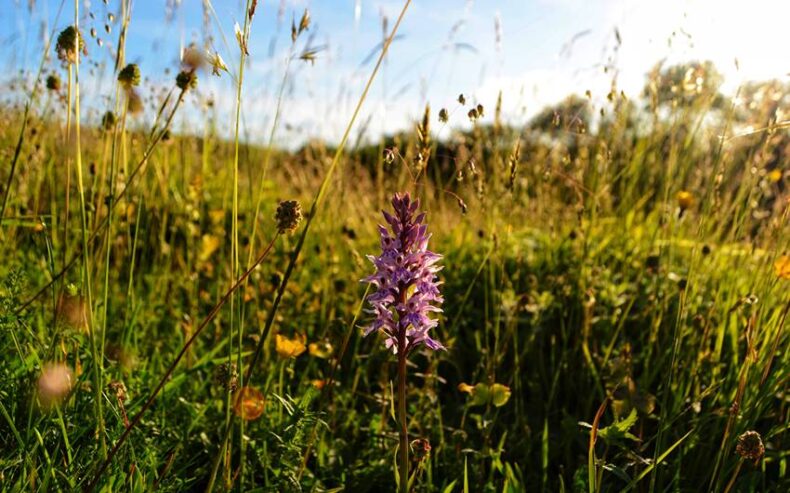
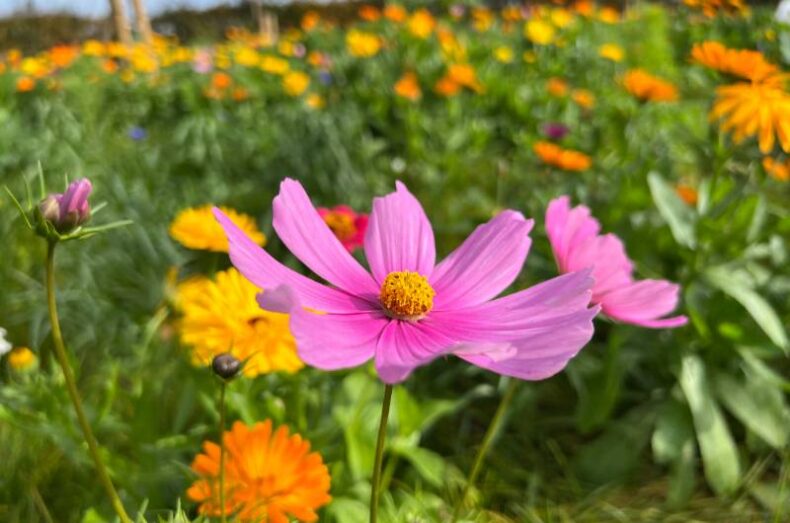
Wildflowers in a meadow is a common summer image that springs to mind when we think of July. These bright, beautiful flowers play a vital role in our local ecosystem, acting as a nectar buffet for pollinators. Common spotted orchids are no higher than 15cm height, but their fantastic blotchy leaves aren’t to be missed and the distinctive purple, pink, or white flowers are especially attractive to day-flying moths. Common knapweed has a thistle-like appearance but that’s where the similarity ends as the knapweed belongs to the sunflower family and doesn’t have the thistles’ spiny leaves and stems. It’s soft leaves and welcoming flower is perfect for passing butterflies.
Remember to consider planting wildflowers this year in the autumn months as these patches of wildflowers will not only brighten your green space but offer vital sustenance for pollinators.
As summer holidays approach, it’s a great time to think about your own green spaces and how to nurture them. July’s warmth will be encouraging home-grown crops to grow, ready to harvest. If you planted tomatoes, courgettes, lettuce or cucumbers earlier in the year then you will be enjoying the fruits of your labour. You haven’t missed the window of opportunity for planting however, as French beans, peas and beetroot can be sown in July. With regular watering and some maintenance, you will then be able to harvest these vegetables in September. It’s one of our Nature Pledges so you can watch your own food grow, while being part of this growing community of pledgers!
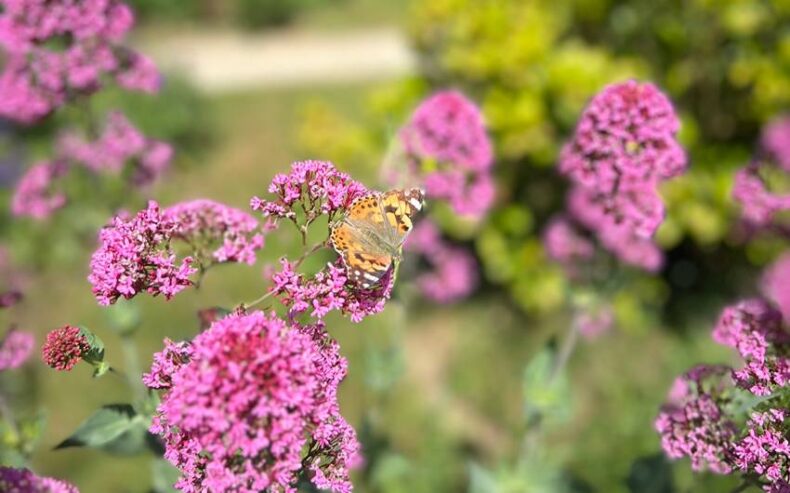
Flowers and plants in full bloom are nectar rich, attracting some beautiful, winged insects. The painted lady butterfly is a migrant species from North America, the Middle East and southern Europe. Painted lady butterflies are one of the most widespread species of butterflies and you should be able to recognise them from their orange wings, with black tips and small white dots. If you have buddleia in your garden or spot it in your local Chelmsford City Park then you won’t have to wait long to spot this butterfly visiting its flowers and feasting on the rich nectar!
When you think of summer insects, moths flying in the daytime probably isn’t something that comes to mind. However, the hummingbird hawk-moth day-flying moth that can be seen hovering just like a hummingbird. It’s greyish-brown forewings and bright orange hindwings make it something fascinating to see in flight. Summer is the perfect time to spot these visitors, and you can’t miss that hum they make while feeding mid-flight. If you want to see them in your own space next year, have a think about creating nectar-rich border for moths, butterflies, and other pollinators to enjoy. Sharing your green space with insects is a brilliant way to protect our local ecosystem and make a difference!
During the day, these winged insects brighten the skies but as the sun sets another creature takes flight. The common pipistrelle is one of the most common British bats and is particularly active in July! Their rapid flight makes them hard to spot but their recognisable sound and more frequent visits in the warm evenings means you should be able to enjoy a bat show. Weighing in around 5g, they are small but can easily eat thousands of insects in a night. You can likely spot them near sunset hours, in your garden or local green space. A night sat surrounded by greenery, wildlife watching can be therapeutic, reducing stress and anxiety so make some time this summer for an evening of nature.
Step outside this July, put down those screens and enjoy the abundance of thriving life around you!
Article by: Issy Lyons (Marketing Officer, Events and Corporate)