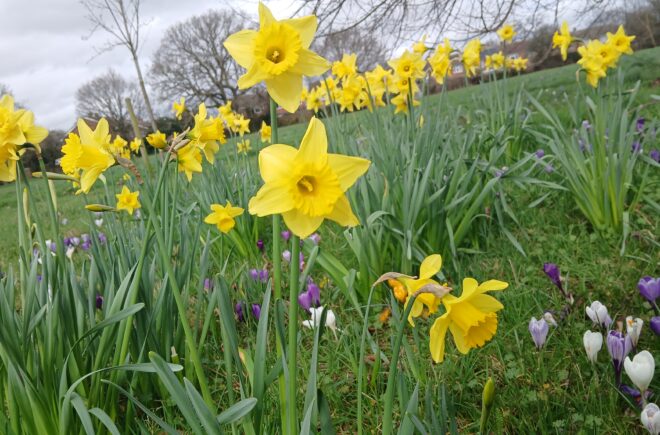
If spring has stayed off your radar until now, April will bring it clearly into view.
With sunnier days and the occasional April shower, flowers, trees and shrubs will boast a whole host of colours and hues. Hawthorn trees will continue to bloom, producing snowy white blossom that can often by seen cascading from their branches to appear like snow…in April! On the ground, there will be an array of colours as flowers begin to emerge. One such flower is the bluebell, a favourite for many. Their bright blue flowers can take over entire woodland floors and are a known sign that spring is in full swing.
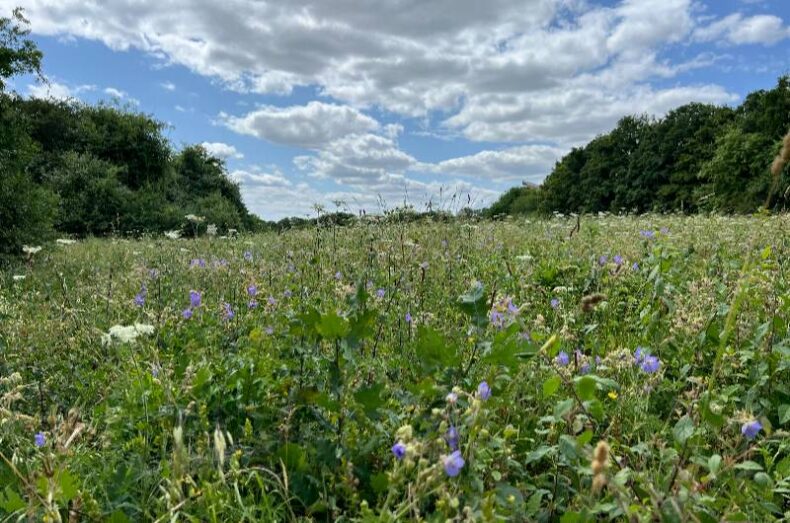
If you would like to see an array of vibrant colours in your own green space, April is a perfect time to sow wildflower seeds. Try to choose pollinator friendly native seeds like Cowslip and Oxeye Daisy. Wildflowers prefer poorer soil so try to pick an area without fertilizer or mulch. Making sure the seeds are sown evenly and thinly across the ground, they won’t need much attention just the odd watering to keep the soil moist. In summer, there should then be a display of wildflowers which not only look magnificent but are essential sources of nutrients for pollinators such as bees and butterflies.
Planting wildflower seeds in April could be part of your Nature Pledge! This sits under the ‘Plant for Pollinators’ pledge and if you visit our dedicated webpage, you can find out more about how you can register your pledge.
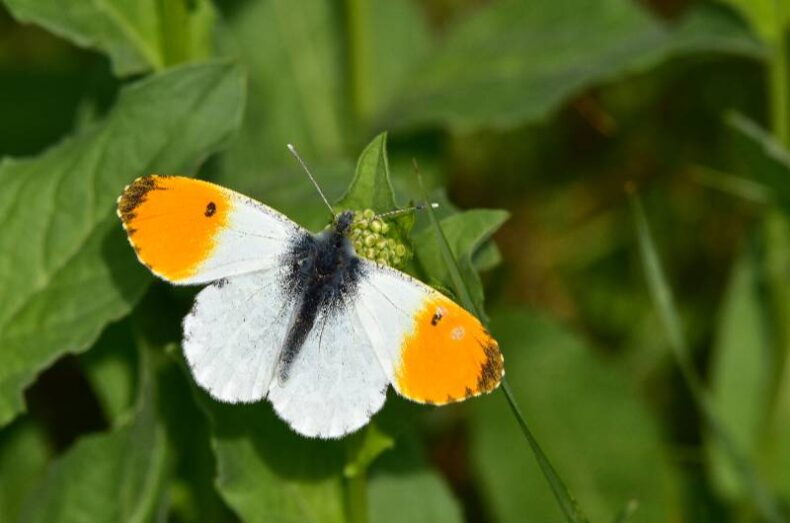
Pollinators won’t wait for the wildflowers of summer however, they should be emerging now the sun is shining and there’s plenty of nectar-rich flowers and trees to visit. The orange-tip butterfly is one such pollinator we’re excited to see. They are another indicator that spring has arrived and are commonly seen near meadows, springs and woodland areas. Even though they are named ‘orange-tip’, it is only the male of this species that has this identifiable feature, while the female has dark grey wingtips.
If you take a moment in your own green space, or one of our parks you can hear and see the increased presence of pollinators from the flitting motion of butterflies to the low buzz of a bumblebee. It’s one of the amazing things about spring, being able to see nature thriving as the season changes.
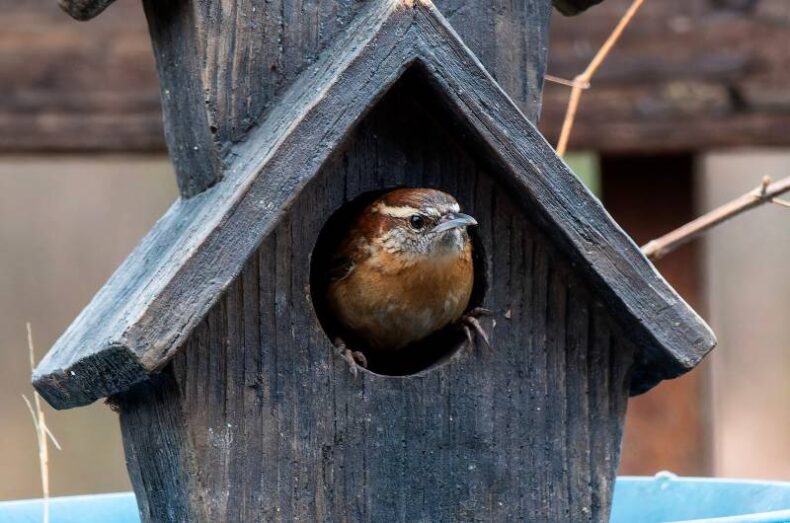
Another treat for the senses is the bird song that will get louder in April, as birds search for nesting materials and food. One loud contributor to the dawn chorus is the small wren (pictured). It may be a tiny, brown garden bird averaging only 10g, but it has a magnificent song that’s louder than most of its garden birds counterparts. These breeding garden birds will appreciate any help you can offer, so if you can place a shallow dish of water or a bird feeder filled with seeds in your own green space, you’ll be doing something great for nature on your doorstep!
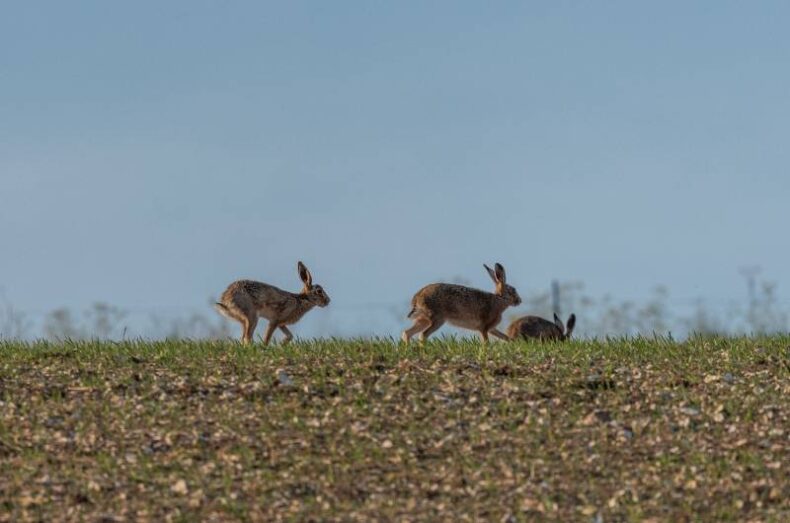
If you venture to a quieter spot in Chelmsford with open fields, you might be lucky enough to spot a zig-zagging brown hare. Like the garden birds, brown hares will be in mating season and at their most active. These stunning mammals are fascinating to watch, they are extremely shy so be sure to give them plenty of space.
We would love to see your pictures of wildlife spots from across the district, as we hope the spring weather encourages you to explore nature on your doorstep and benefit from spending time in the fresh air. Even a 20 minute gentle walk in your local park can reduce stress.
Let’s spring into April 🌸
Article by: Issy Lyons (Marketing Officer, Events and Corporate)