Grass-Cutting-FAQs.pdf
Areas in our parks are left to grow or cut later in the season to promote wildlife. These areas
contribute to our success with the Green Flag Award, whose judges have praised our park’s
variety of habitats.
Most meadow grass is cut once a year when the wildflowers have set seed.
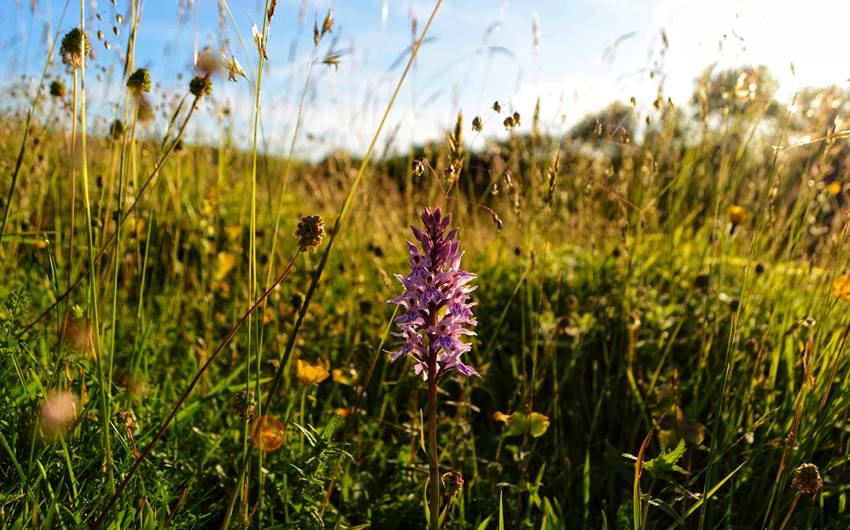
A meadow is a field made up of native wildflowers and finer grasses left uncut until late
summer. Before cutting, grasses and wildflowers may grow to about knee high. In a
traditional hay meadow, the cut grass is collected as hay, which is used to feed animals in
winter.
We can copy the management of traditional hay meadows, by cutting and collecting at the
right time. Letting wildflowers grow and set seed allows them to increase year-on-year. We
need to be patient. After a few years, our verges and amenity grasslands could become
native wildflower meadows.
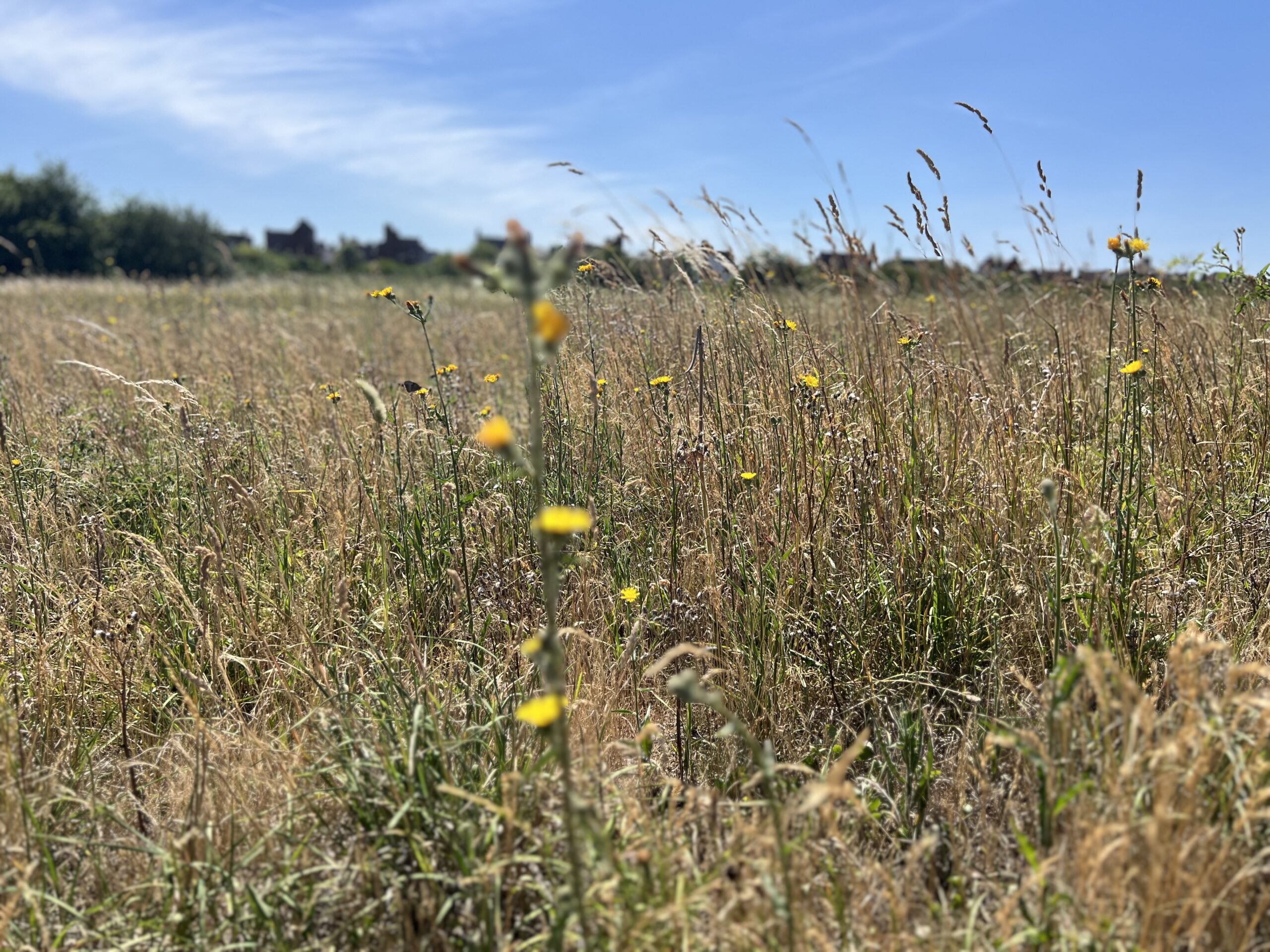
In late summer, meadow-like areas may start to look untidy. Plants put energy into making
seeds for next year’s wildflowers. These areas are still very important for wildlife to complete
their full lifecycle. They continue to provide shelter and food for insects, mammals, reptiles
and birds.
A wide range of wildlife lives in meadows with native wildflowers. A typical natural meadow
can support more than 1,400 species of invertebrates. Over many thousands of years, they
have all adapted to live together.
When do you start and stop cutting the grass?
We start our grass cutting programme in March.
The grass will be cut once at the end of the growing season during September-October
(exact timing will be dependent on the weather).
Are there designated tall grass areas?
In some areas we’ll let the grass grow longer:
• Where suitable, large highway verges in both rural and urban areas will be left to turn
into grassland habitats, but with grass cut regularly around the fringes to ensure
grass does not encroach onto pathways, roads or obstruct sight lines
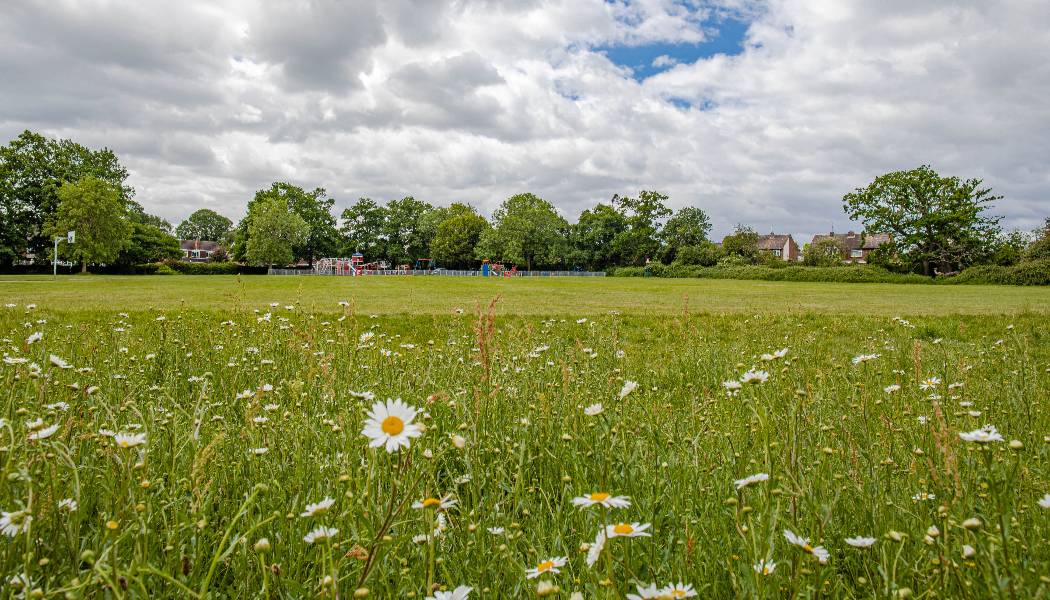
• In parkland and other open spaces where appropriate we’ll allow margins of
grassland to develop instead of cutting right up to the park boundary
• We will avoid cutting grass right up to the bases of trees and instead allow the grass
to grow to prevent possible damage to trees
Where we have introduced long grass areas, we are ensuring that there are still plenty of
areas of regularly cut areas for all to enjoy.
How does tall grass affect wildlife?
Tall grass provides a wide range of benefits to wildlife including providing seed heads,
pollen, shade and areas to hide, hunt and reproduce. The tall grasses help maintain
moisture, which is important for amphibians, as well as small mammals such as hedgehogs.
Insect populations will thrive in a tall grass habitat which provides a plentiful source of food
for songbirds, bats and owls too
What is a verge?
A road verge is a strip of vegetation (grass, flowers, trees, hedges) beside a road or
pavement.
Do you actively plant wildflowers?
No, the City Council does not actively plant wildflowers.
Should I use wildflower mixes in my garden to help with biodiversity?
Wildflower seed mixes often contain non-native species. Our pollinators need the native
wildflowers they have evolved alongside. Studies have shown that the seeds in many
wildflower seed mixes are imported from other countries, and are not native, despite what
the packet might say.
Sowing wildflowers with colourful non-native annuals looks attractive. It can provide pollen
and nectar-rich plants for pollinators. But it has drawbacks:
• it may provide a quick fix for pollinators. It will not support the wide range of
invertebrates that feed on native meadow flowers
• they are sometimes called ‘wildflower meadows’ but they aren’t meadows
• mixtures of annual, often non-native species, can be expensive to buy. They can be
labour intensive to maintain, and they may need to be sown each year
• herbicides are often used to clear areas before sowing
• planting generic mixes of wildflower seed does little to conserve our native
wildflowers. It can also threaten their uniqueness
If you decide to buy wildflower seed, you should source it carefully, and please only ever
plant in your own garden and not in the wider landscape.
policy-for-managing-grassland-002aug23.pdf
Wildflower areas
23. This includes some small areas sown exclusively with a wildflower seed mix; the
maintenance regime for these areas allows seeds to drop or disperse, before cutting and
clearing the arisings once per year. This reduces the return of nutrients into the soil
allowing wildflowers to thrive at the expense of more vigorous grasses, which would
otherwise ‘out-compete’ wildflower species. Creation of species-rich meadows by sowing
with wildflower seed of appropriate provenance can be very expensive, so is limited to a
small number of selected sites.
24. Other areas, although not seeded specifically, have a naturally evolving species diversity.
These areas are left to grow naturally and then cut with the arisings left in situ. Low
intervention maintenance in such areas has allowed existing flora and fauna to thrive and
spread, with cutting once per year helping to control more invasive and woody species.
25. Although arisings are left and therefore will add to the soil nutrient, this is still considered a
valuable technique for creating a diverse grassland for pollinators and foraging fauna
particularly in areas where access is difficult.