May this month bring you an abundance of sunshine and plenty of time spent in nature!
As spring continues, we’re enjoying warmer days and sunnier evenings which are not only beneficial for us but also for the ecosystem we live in. Flowers and trees are growing and flowering, giving more feeding opportunities for pollinators and birds which should help them through breeding season.
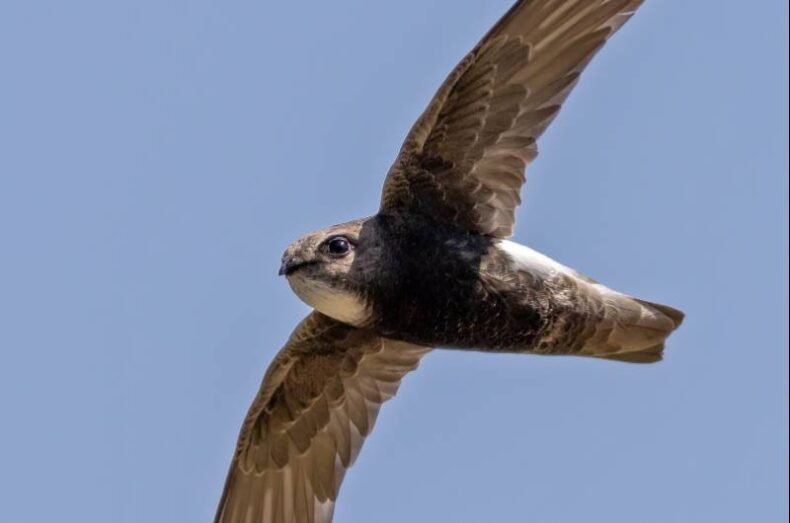
Keep your eyes peeled for one feathered friend that will not stop for long! In May, Swifts will make one of the longest migration journeys of any bird and they will remain in the United Kingdom until the end of July. These spectacular flyers rarely touch the ground, as they eat on the wing and can reach speeds of up to 60mph. Their long, pointed wings created a boomerang shape and they will be flying back and forth a lot this month to build their nests, find food and nurse their young. Swift numbers are in decline as insect numbers also plummet which is why planting wildflowers and allowing nature to thrive is more important than ever.
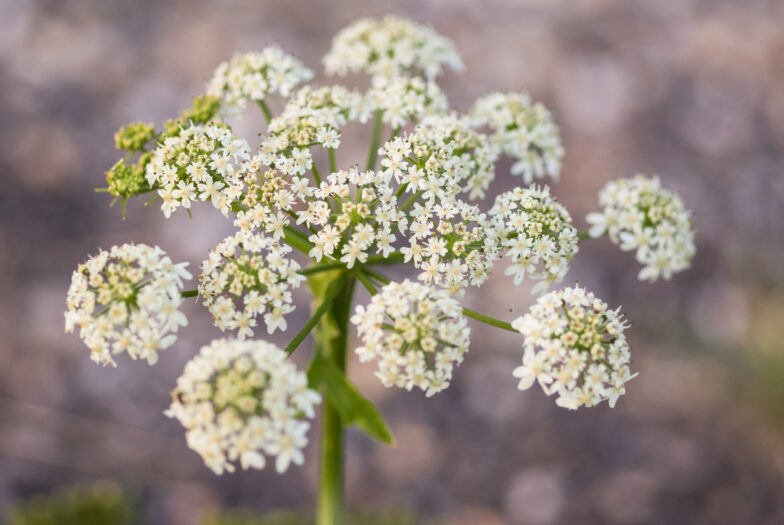
Wildflowers like cow parsley thrive when left to grow and adapt to their surroundings. Did you know that cow parsley is a member of the carrot family and can grow up to a metre in height? Cow parsley will be flowering in May with its recognisable white blooms reaching up towards the sky, offering pollen to bees, moths and butterflies. Letting patches of wildflowers, with species such as this, bloom, will help our biodiversity as pollinators can gain vital sustenance from their nectar.
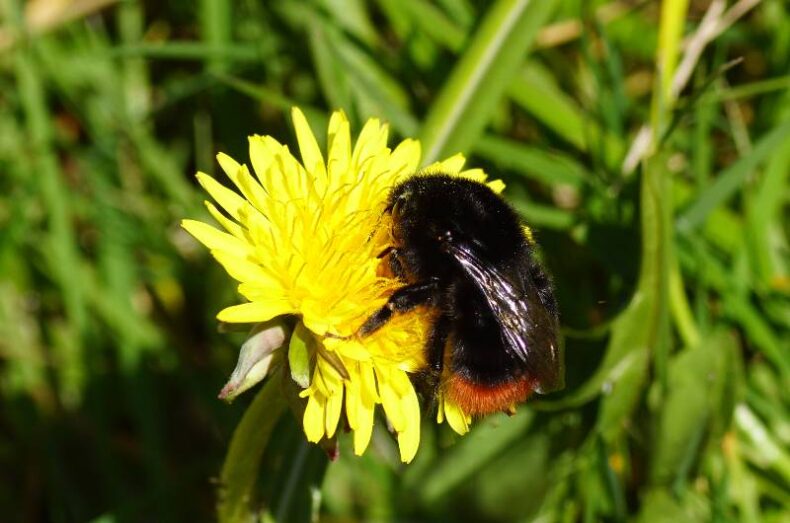
One species that will be buzzing, toing and froing to flowers in search of pollen is the red-tailed bumblebee. With their recognisable bright red tails, this species is easy to spot and are one of the big eight widespread and common bumblebees (Bumblebee Conservation Trust). Feeding on a range of flowers, they are often seen on lavender and dandelions which are nectar rich. Red-tailed bumblebees nest underground often in deserted burrows. Hearing the buzz of a busy bee in your garden or green space is a positive sign that they’re attracted to the flora and fauna growing there.
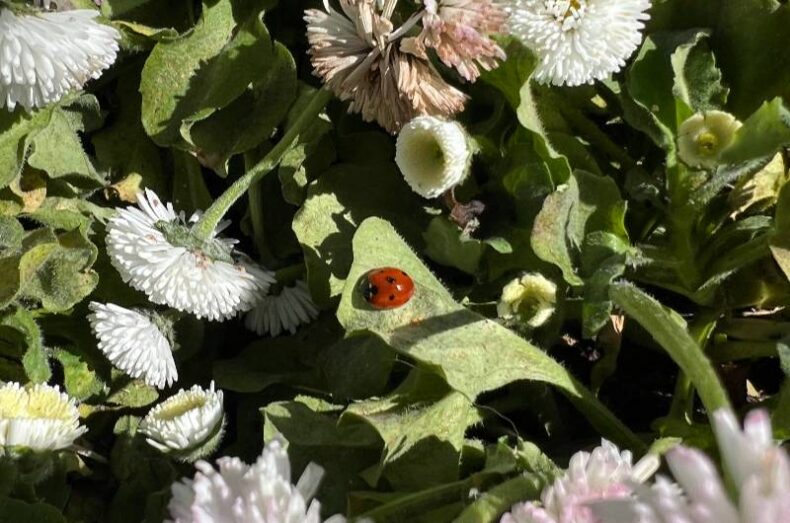
You may also see another red insect more in May. Ladybirds are in mating season in May and will be searching for a mate and also a place to lay their eggs. Ladybirds being part of the beetle family means they have an interesting characteristic of hard forewings. These forewings cover the abdomen and meet centrally without overlapping which sets them apart from other pollinators. If you look closely enough at flowers this May, you’ll be sure to see the spotted insect making its way across a flower bed.
Pollinators won’t wait for the wildflowers of summer however, they should be emerging now the sun is shining and there’s plenty of nectar-rich flowers and trees to visit. The orange-tip butterfly is one such pollinator we’re excited to see. They are another indicator that spring has arrived and are commonly seen near meadows, springs and woodland areas. Even though they are named ‘orange-tip’, it is only the male of this species that has this identifiable feature, while the female has dark grey wingtips.
If you take a moment in your own green space, or one of our parks you can hear and see the increased presence of pollinators from the flitting motion of butterflies to the low buzz of a bumblebee. It’s one of the amazing things about spring, being able to see nature thriving as the season changes.
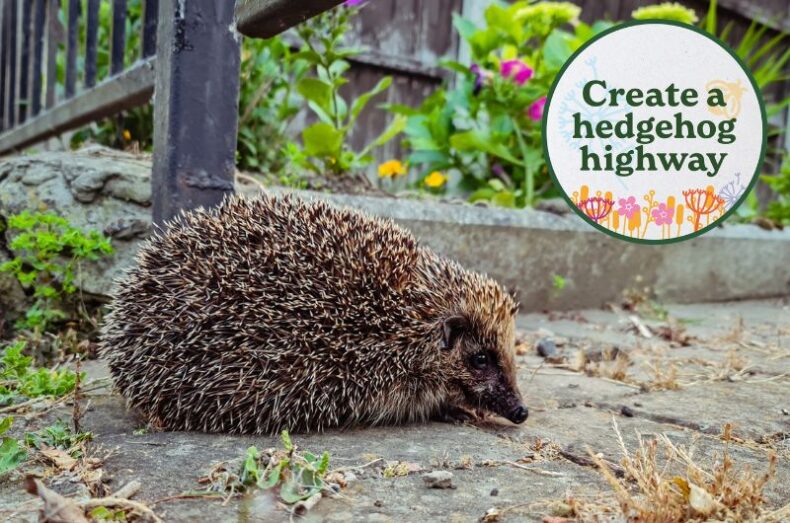
Hedgehog awareness week falls in May and it’s a gentle reminder that small actions and steps with hedgehogs in mind can help a species to thrive. Urban areas are thought to be a refuge for these prickly pals as there’s not as much pressure from a wider landscape and farming. With this in mind, we can make our gardens, parks and green spaces a haven for hedgehogs with shallow water dishes, hedgehog highways and log/leaf piles. Read our blog for tips and further guidance here.
Don’t forget to get involved with our Nature Pledges. Choose a pledge (or two) that fit into your time and your space and spark your interest. We would love to hear about your pledge progress so make sure to let us know via social media or the contact us form.
Article by: Issy Lyons (Marketing Officer, Events and Corporate)