January Wildlife Watch
2026 is upon us – winter is well underway but there’s still plenty of nature and wildlife to marvel at.
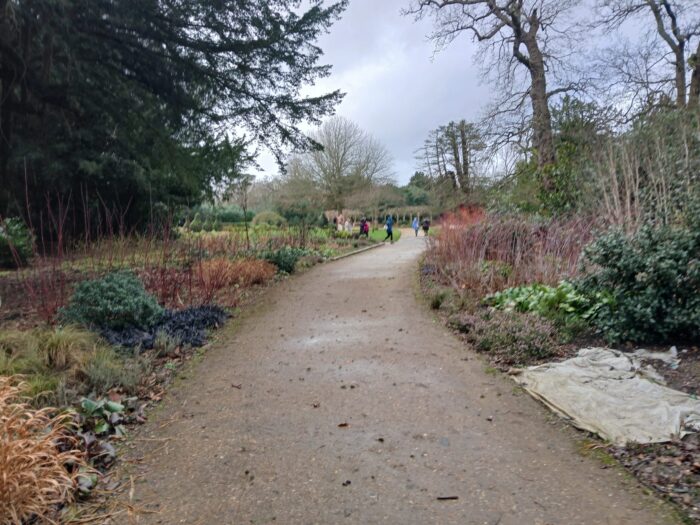
From the land to the skies, we would love to share some of our favourite spots to look out for in January. Don’t forget that our parks and green spaces are open throughout the month for you to visit and enjoy, they can be the perfect escape in what can often feel like a dreary month.
Even if we don’t get much this winter, there will soon be white flowers dotted on the ground mimicking the look of fallen snow. Snowdrops typically bloom from January to March and are one of the first flowers to emerge from the cold winter soil (image below at Hylands Park Estate showing the start of snowdrop season). They are often seen as a sign that spring and warmer weather is on the horizon, as well as being a symbol of purity and hope.
Whereas Snowdrops show their hardy nature on the ground, the majestic pine tree with its evergreen foliage shows how it can withstand any season. There are different types of pine trees that can be found in the United Kingdom, such as Norway Spruce and Weymouth Pine. Pines can grow and live for hundreds of years, their evergreen beauty providing a beacon of green in parks and green spaces. If you spot one, why not try to identify its species, there’s lots of tips and guidance online!
When it comes to identification, this next wildlife spot needs no introduction. The Heron is a shy and nervy bird; however, it has often been sighted in Chelmsford near ponds and rivers. They hunt mainly at half-light so if you’re out on an early morning dog walk or getting some fresh air in the evening after work, you may spot this majestic grey bird standing tall or get a lucky glimpse of it in flight.
Looking to the skies, January is a peak time for Starling murmuration’s. Starlings come together, diving and swooping in clever patterns with an amazing ability to avoid collisions en mass – with some scientists attesting this to psychic powers. These birds flock here from colder European countries and if you are lucky enough to witness a murmuration then you will understand that it is one of nature’s greatest spectacles.
This month (January 2026), from the 23 to 25, the RSPB will once again be hosting the Big Garden Birdwatch. This is the world’s largest garden wildlife survey, bringing together thousands of nature lovers. The House Sparrow was the cream of the crop in 2025 with over 1 million sightings! If you would like to be involved this year then please visit the RSPB website for more details.
We would love to see your nature photos taken across Chelmsford as these can help us understand the wildlife in different areas of the district, as well as enabling us to share your beautiful photos on our social media channels.
Article by: Issy Lyons (Marketing Officer, Events and Corporate)