Article by: Bronwen Paxton (Wildlife Ranger for Bird Aware Essex Coast)
Sunnier days are finally here in Chelmsford!
For many of us, that means we can finally get out on our rivers for some paddle sports. We all know falling off your paddleboard in the August sun is much less unpleasant than in February!
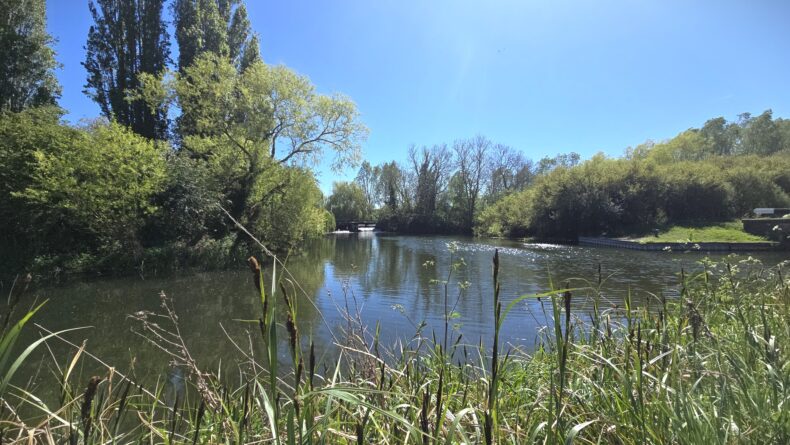
There are some amazing chances to spot birds like swans and ducks that are nesting in the reeds of our riverbanks. In today’s blog, we invite you to learn more about how to act on our local rivers to protect vulnerable birds that call it their home.
Did you know we were lucky to have a whooper swan (image below) in our parks just last December? A rarer sight than the more familiar mute swan you would see in our county. These elegant birds build their nests in the reeds on our riverbanks where their cygnets grow up fast. But the River Chelmer isn’t just home to these babies, it is also popular for mallard ducks and their ducklings. While there aren’t any significant differences in swans between the males and females, you will see a difference in mallard ducks (second image below). You might think that the brightly coloured mallard is the female, but it’s actually the male. The females are more subtly patterned to help camouflage her on the nest to protect herself and her young. Another protective bird to look out for is the lapwing. If you visit the River Crouch you may even hear the whistling call of a lapwing defending its nest on the surrounding Farmers’ fields.
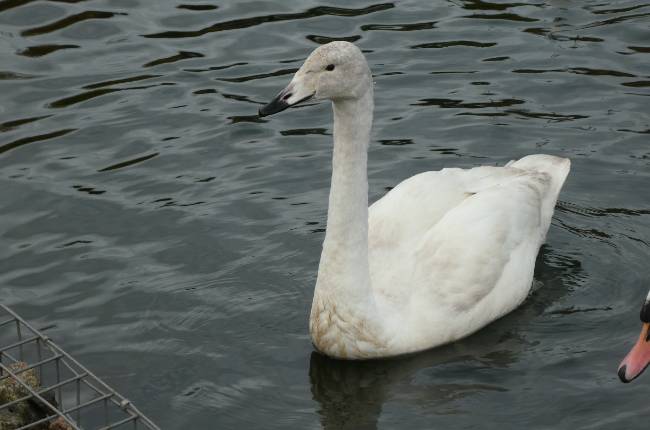
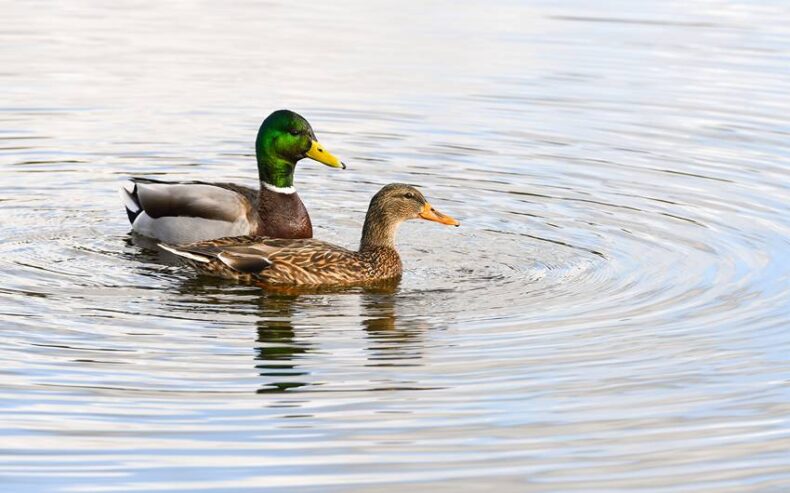
These birds are enjoyed whilst out on a walk or even on your paddleboard, so we have some tips and tricks to keep yourselves as well as the birds safe…
Before you set off, be aware…
- It’s best to plan your route before you to go to be aware of any sensitive wildlife sites. Many of the rivers and estuaries in Essex have legal designations protecting them due to their nationally and internationally important animals and habitats.
- You can also read up on the habitat protections of where you want to go using this map here.
- Most rivers and canals in England require a waterways license/insurance to canoe, kayak or paddleboard. You can purchase site specific day or annual licenses online. Get a license for the Chelmer & Blackwater here. Don’t forget to have your license on you in the paddle craft.
On the water
- If you do come across any wildlife, try to give them enough space so that they don’t notice your presence. Binoculars are an asset to any trip on the water – all the enjoyment of the wildlife without the risk of disturbance!
- Don’t remain in a sensitive area for longer than fifteen minutes. It can be tempting to paddle into the saltmarsh areas, but this habitat is particularly vulnerable to disturbance due to nesting and high tide roosting.
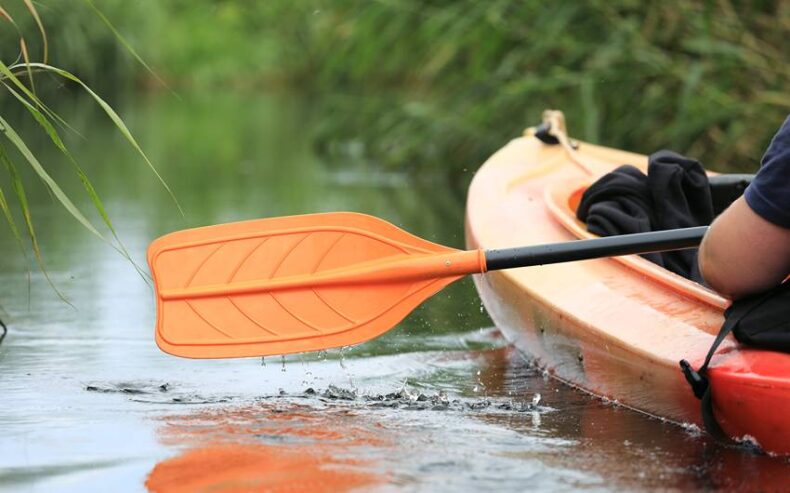
- The key is to aim for a peaceful activity, without sudden movements or loud noises. Keep low when watching wildlife! On a paddleboard, kneel rather than stand and when kayaking/canoeing it’s best to have a low paddle angle
Waterways launching
- Where possible, prepare your equipment in an area away from wildlife. This could be in a safe area of a car park, but it’s best to use established launch/landing points as this will minimise damage to riverbanks and vegetation. It also limits any disturbance to just this location.
The Signs of Disturbance
Most people would never intentionally try to disturb or harm birds and their habitats, that’s why we promote the following code:
Look out for birds: Remember we are sharing these picturesque natural locations with the birds, and that it’s their home.
Move away if they become alert: It’s great to know the signs of disturbance. You might hear the birds before you see them – defensive birds can be very vocal. Birds that have been alerted by your presence may start looking at you. They may start flapping their wings and stretching, an indication that they are preparing for flight. They may start moving, or swimming, away. We want to give them lots of space to prevent them having to flee the area. This should help them to feel safe once more.
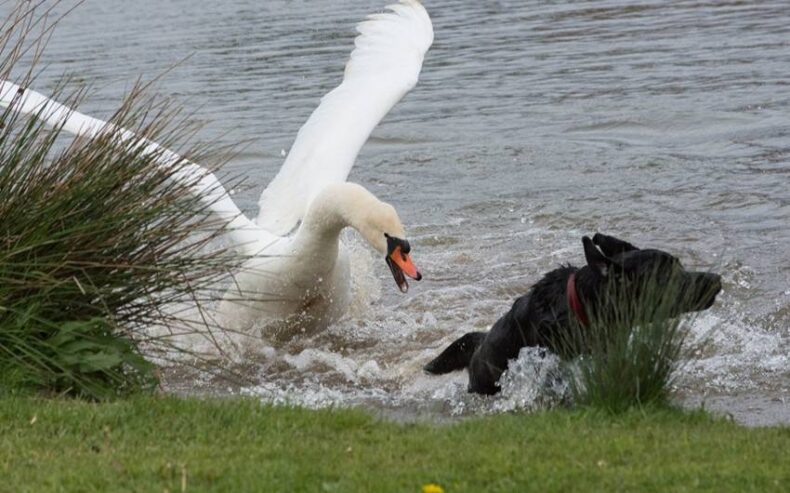
Keep dogs alongside you: We love nothing more than seeing a pooch in a buoyancy aid at the front of a paddleboard! You know the abilities of your dogs, so make sure they can be trusted to remain on the paddleboard and not tempted to chase wildlife.
When you’re done
Like anywhere outdoors, you should leave a place how you found it, taking any litter and equipment home with you. Exit the water in the same place you came in, or another established access point.
By demonstrating this responsible behaviour, you can become a wildlife champion, and hopefully others will follow in your footsteps out on the water. If you do see any concerning paddle sport behaviour – let us (Bird Aware Essex Coast) know! You can email us at info.essex@birdaware.org . We can then increase our visibility in that location and promote responsible behaviour.
Part of a water sports club? We can also come to your club to give site specific guidelines on how to be bird aware on the water.
Article by: Bronwen Paxton (Wildlife Ranger for Bird Aware Essex Coast)
For more information and tips about Bird Aware along your Essex Coast and surrounding areas, follow along on social media:
Facebook: (2) Facebook
Instagram: Bird Aware Essex Coast (@birdawareessex) • Instagram photos and videos
LinkedIn: https://www.linkedin.com/company/bird-aware-essex-coast/
X: Bird Aware Essex Coast (@BirdAwareEssex) / X
TikTok: Bird Aware Essex Coast (@birdawareessex) | TikTok
You can search Active Essex for information on paddle other local water sports: Activity Finder | Active Essex
For more water safety advice and resources visit the Royal life saving society UK at: Water Safety Advice