Let’s welcome in spring and celebrate the range of nature making an appearance, as the seasons change.
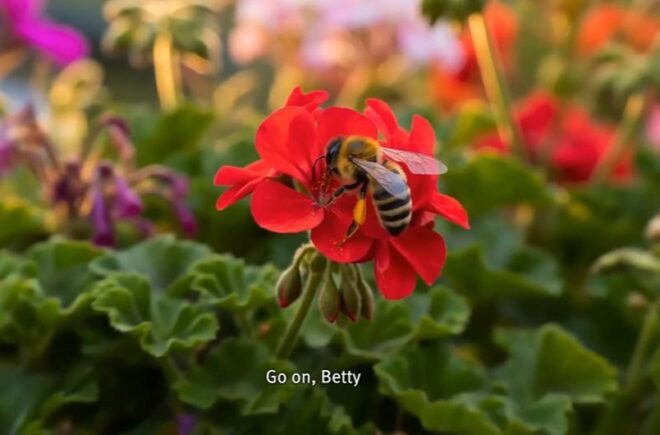
As the sunshine scatters its rays across our green spaces in early spring, the hedgerows will start to bloom. Blackthorn trees will produce an abundance of bright white flowers which is a vital source of nectar for pollinators like bumblebees. These shrubs thrive on full sunlight and moist soil, which makes them ideal for hedgerows and these areas also provide protection and habitats for birds and insects. Later in the year these shrubs will be transformed with sloe berries giving an indigo hue to the hedgerow.
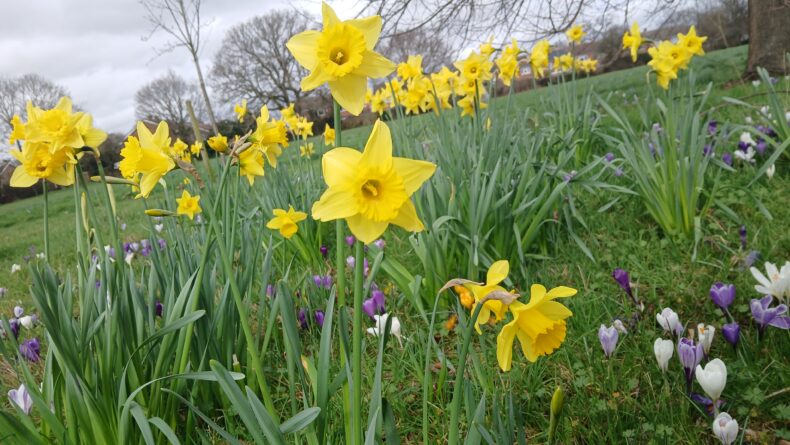
At ground level too we will start to see yellows, purples and pinks sprinkled across the grass. The daffodil is a staple of springtime imagery. The yellow hues of the daffodil let everyone know that spring is here, and their versatility and low maintenance means they bloom in areas across the city. There are over 30,000 daffodil cultivars according to the Royal Horticultural Society, so be on the lookout for unique colourings in your local daffodil patch.
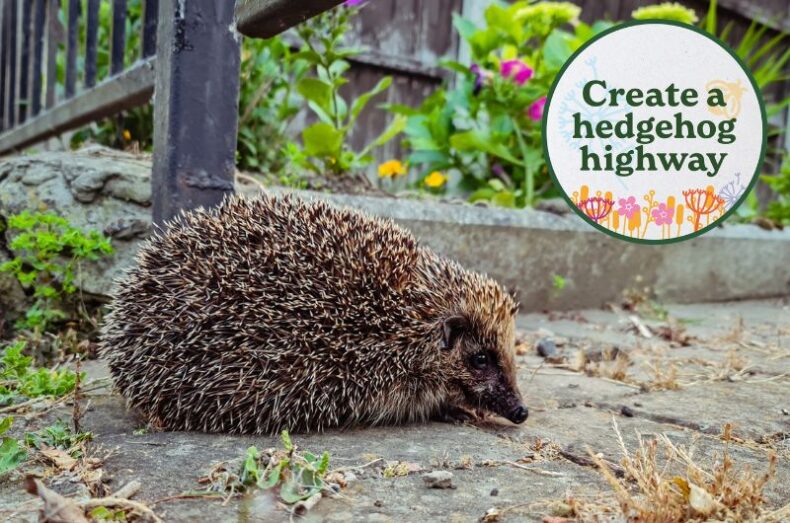
Much like us humans now the weather is warming up, there will be those coming out of hibernation in March like the familiar sight of the prickly hedgehog. Searching for their next meal, these hungry hedgehogs will be on the lookout for slugs and earthworms to regain some strength. As part of our new Nature Pledge initiative, there is a hedgehog specific pledge in which you can endeavour to build a hedgehog highway. There’s plenty of helpful advice and guidance on the Hedgehog Street website.
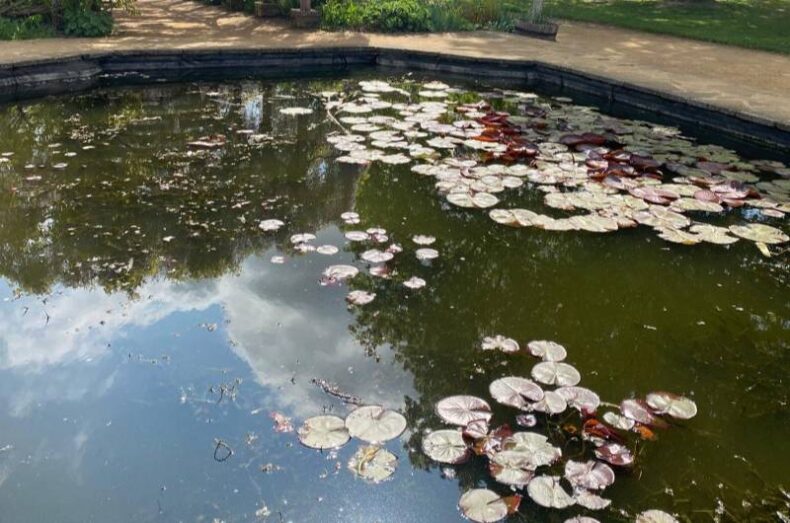
Often, we associate new life with the joys of spring and if you take a closer look at local ponds, you may find the signs that frogs have been visiting. It is estimated that in the UK garden ponds provide 2 million breeding sites for frogs and toads. Frogspawn can be fascinating to watch over the weeks as normally it will remain in this form for three to four weeks. However, it can take a tadpole up to fourteen weeks to finally transform into a frog, or toad.
If you would like to help the Freshwater Habitats Trust map the amphibian breeding activity across Chelmsford, then you can participate in their survey. The survey is open until the end of May and will help better understand how frogs and toads utilise different bodies of water.
Spring brings with it warmer weather and brighter colours that you can immerse yourself in by visiting our parks and green spaces. From Hylands Estate to Central Park to Compass Gardens, explore the fantastic spaces in our district where you can get some fresh air and reconnect with nature.
Keep an eye out this month for wildlife and nature right on your doorstep and let us know what you spot! We would love to see your snaps too, if you send them in we may also feature them on our social media platforms as part of our ‘Wildlife Wednesdays’.
Article by: Issy Lyons (Marketing Officer, Events and Corporate)